What to check before buying resin patio dining furniture
Outdoor dining furniture has a different job from indoor furniture. It has to handle sun, rain, spills, changing temperatures, and regular movement, while still feeling comfortable enough for a long meal. Resin furniture is a practical choice for many patios, poolside areas, gardens, and commercial dining spaces because it can be made to resist moisture and daily wear. The best choice still depends on the details, not just the material.
Before choosing outdoor dining chairs, look past the overall style and check how the pieces will work in real use. Size, weight, seat shape, storage needs, and care all matter. A chair that looks elegant online may be awkward at a table or difficult to move. A careful read of the construction details helps narrow the field.
Start with fit and proportions
Measure the dining area before falling for a particular set. Leave enough room for people to sit, stand, and pass behind seated guests. A tight patio can make even a compact set feel crowded, especially when chairs pull out from the table. Think about the path to the kitchen, the grill, or the garden gate, since those routes often determine whether a layout feels easy or frustrating.
Chair dimensions deserve close attention. Seat height should work with the table height, so diners are not perched too high or folded too low. Armrests need to slide under the table if they are fixed and bulky. Check the width of each chair too, because a generous seat can feel comfortable but take up valuable space around a small table.
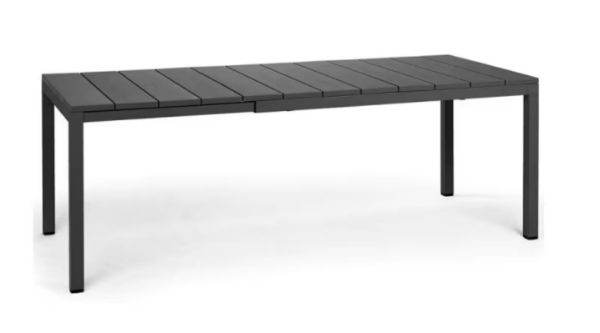
Also consider the tabletop itself. A heavy table may stay put in wind, while a lighter one may be easier to move for cleaning or entertaining. The chairs should match that balance. If a table is narrow, slim chairs may suit it better than broad ones with high backs.
Check the material and build quality
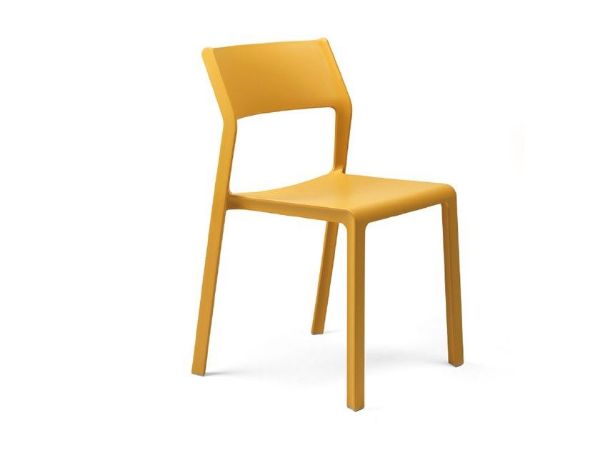
Resin material varies in feel, finish, and strength. Some pieces have a smooth molded form, while others use frames, slats, or textured surfaces. Look for even edges, stable legs, and consistent finish. Sharp molding flashes, loose fittings, or wobbly parts are signs that the piece may not hold up well with regular use.
Weather resistance is one reason many shoppers consider resin furniture for outdoor dining. It does not need the same sealing routine as some wood furniture and does not rust like untreated steel. That does not mean every piece is suited to every setting. Long exposure to strong sun, pool chemicals, or coastal air can affect color and surface finish over time. If the furniture will stay outside year round, look for construction that drains well and does not trap water in joints or seat pans.
Nardi outdoor furniture is often considered by shoppers who want resin pieces with a modern look for dining and lounge settings. The same basic checks still apply: examine how the chair is molded, how the legs meet the seat, and whether the design has practical details such as drainage openings or easy-clean surfaces. Brand recognition alone is not a substitute for good proportions and sound construction.
Think about comfort beyond the first look
Seat comfort matters more than many buyers expect. A dining chair may be used for a quick breakfast or a long dinner that stretches into the evening. Check the seat depth, back angle, and whether the back supports the lower and upper back. A slightly curved seat can feel better than a flat one. Smooth edges around the arms and seat opening also make a difference, especially for children and older guests.
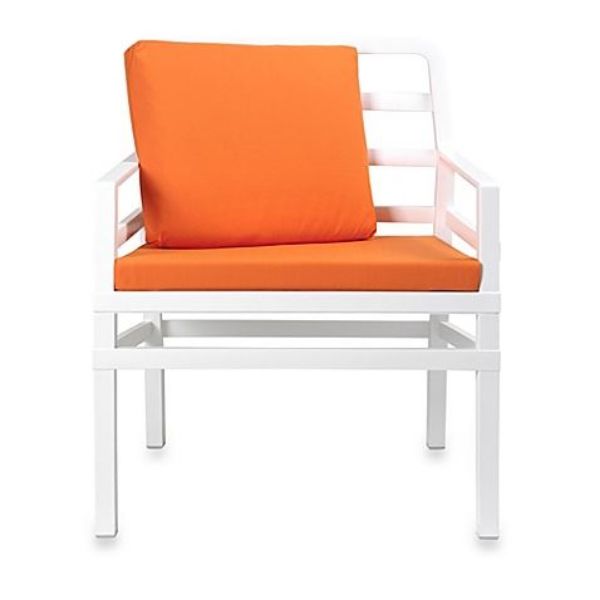
Armrests are useful for getting in and out of a chair, but they can limit how closely a chair tucks under a table. If chairs will be stored under the table between uses, verify that the arms and back height allow that. Stackable chairs are another option where space is tight. They are useful for patios, event areas, and commercial spaces, but the stacked height and weight should still be manageable.
Cushions can add softness, yet they bring extra care. They need drying time after rain and storage when not in use. A chair that feels good without a cushion is often easier to live with in an exposed outdoor setting.
Look for practical movement and storage
Outdoor chairs get moved more than indoor chairs. They are pulled into the shade, pushed aside for a game, turned toward the view, or brought in before rough weather. A chair that is too heavy may stay where it was placed, which can leave a patio underused. A chair that is too light may shift in wind or feel flimsy when someone sits down.
The shape of the chair affects how it moves. A stable base with well-spaced legs feels steadier on paving or decking. Narrow backs and clean profiles make stacking or grouping easier. If chairs will be stacked often, check whether they nest without scraping or catching. Repeated rubbing can mark the finish over time, even with resin.
For poolside dining, consider how wet feet and damp towels interact with the seat. A surface that can be wiped down and dried quickly is more useful than one with deep grooves that hold water. This is also where maintenance needs become part of the buying decision. A simple rinse and occasional cleaning may be enough for many settings, while textured details may collect dirt.
Match the set to the setting
A home patio, a garden dining corner, and a commercial terrace place different demands on furniture. In a home setting, comfort and flexibility may lead the choice. Mixed chair styles can work if the seat height and scale are consistent. In a commercial space, uniformity, stackability, and easy cleaning may matter more. Chairs that are simple to wipe down and move can make daily opening and closing routines smoother.
Nardi outdoor furniture can fit into this kind of planning when the design suits the space and the way it is used. A poolside table with resin chairs may need different features from a shaded garden table, even if both are called dining sets. Sun exposure, paving surfaces, and nearby planting all shape what will feel practical over time.
Color is part of the decision as well. Light tones can feel calm and reflect heat, while darker tones can make a strong design statement and show the table setting clearly. Neutral shades tend to work with more surroundings. If the furniture sits beside bright planters or bold cushions, a quieter chair color may keep the space from feeling busy.
Review care and long term use
Before buying, ask what routine the furniture will need. Resin surfaces are usually straightforward to clean, but dirt can settle in seams, around legs, and under arms. Removable cushions, table umbrellas, and nearby planters can add to the cleaning load. A design with fewer hard-to-reach areas is easier to keep looking tidy.
Store furniture properly when it is not needed. Even durable pieces last longer when they are stacked neatly, kept off sharp uneven ground, and protected during harsh weather if the maker advises it. Avoid dragging chairs across rough paving, since scuffs can dull the finish. Small felt pads or careful lifting can help on delicate surfaces.
Finally, check the overall set rather than judging each piece in isolation. The chairs should suit the table height, the table should fit the patio layout, and both should match the amount of care the household or venue is willing to give. Good outdoor dining furniture is not simply tough. It is easy to sit in, easy to move, and easy to live with after the meal ends.